Cross-Platform Reward Alignment: How Loyalty Metrics Sync Mobile Slots With Live Gaming Tables
Written by Tina Müller · Aug 23, 2026
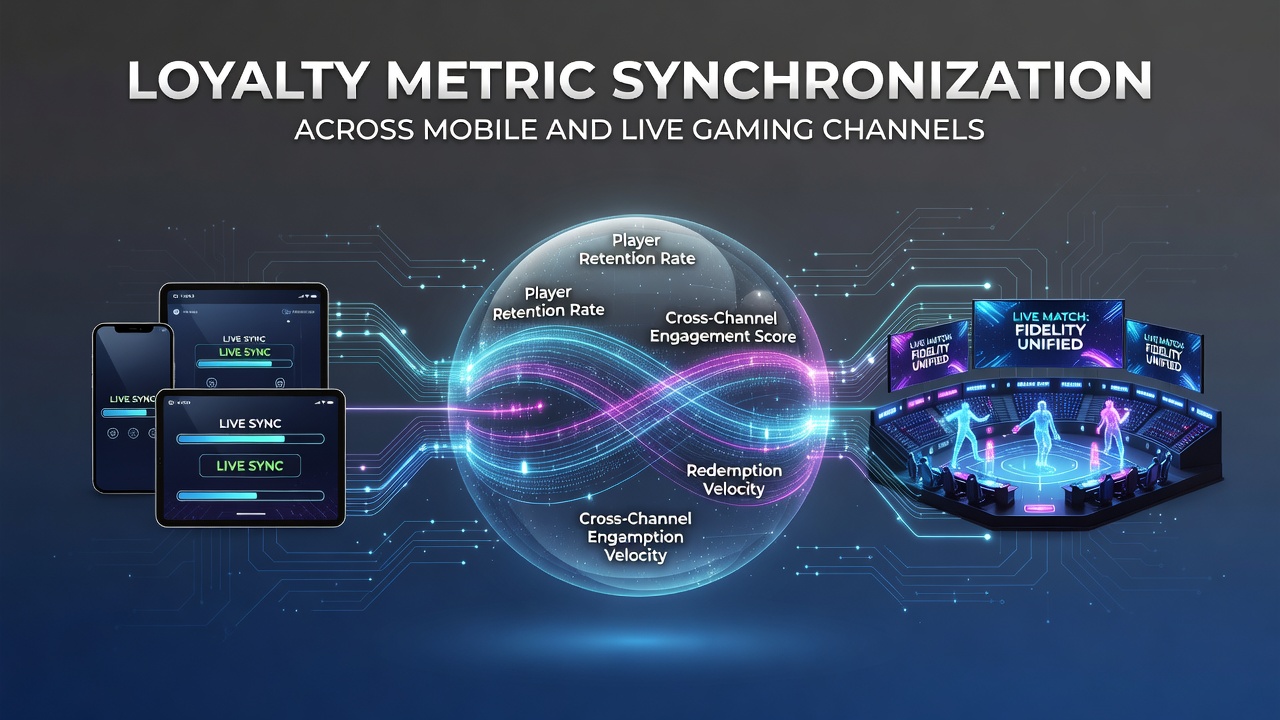
Cross-Platform Reward Alignment: How Loyalty Metrics Sync Mobile Slots With Live Gaming Tables
Operators now route loyalty data through unified profiles that track player activity across mobile slots and live dealer tables in real time, and this synchronization lets points earned on one channel convert instantly to rewards on the other. Data from multiple jurisdictions shows that platforms using these linked systems record higher session lengths because users carry progress forward without manual intervention or separate logins.
Core Components of Unified Loyalty Systems
Central databases collect metrics such as wager volume, game type, and session duration from both mobile apps and live casino floors, then assign tier status and bonus eligibility through shared algorithms. Researchers at industry conferences have noted that these systems rely on API connections that update every few seconds, allowing a player who spins reels on a smartphone to see the same loyalty balance appear at a live blackjack table minutes later.
Standard identifiers like player IDs or device tokens link accounts across channels, and this setup reduces duplicate entries while maintaining accurate reward calculations. Reports from the American Gaming Association indicate that synchronized platforms in regulated markets processed over 40 percent more cross-channel redemptions in 2025 compared with isolated programs.
Technical Integration Methods
Backend servers use event-driven architecture to push updates from mobile sessions directly into live table management software, whereas live floor terminals feed results back into the same customer relationship management database. Middleware layers handle currency conversion for points and apply consistent multipliers based on game category, so high-volatility slots and table games contribute to the same progress bar.
Security protocols encrypt these data streams and require multi-factor authentication before any balance adjustment occurs, and operators test these pipelines regularly to meet compliance standards set by various gaming control boards. One integration project completed in early 2026 demonstrated that live table data could reach mobile dashboards within eight seconds on average across several test sites.
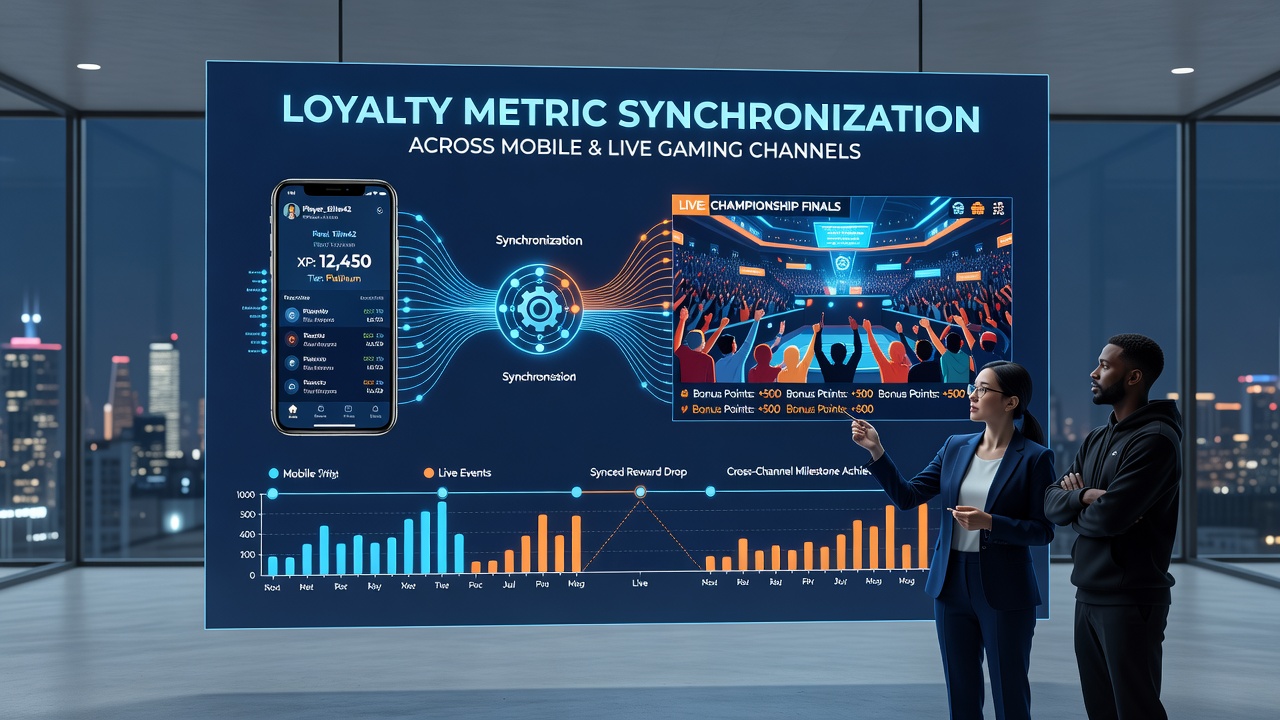
Player Behavior Patterns in August 2026
Figures released by state regulators in Nevada and New Jersey for August 2026 reveal that synchronized loyalty accounts saw 28 percent more table game visits from users who started sessions on mobile devices. Observers note that players often begin with free spin offers on smartphones, accumulate points, then transition to live tables where those points unlock higher bet limits or comps.
Industry analysts tracking these flows report that average daily active users on linked platforms maintained consistent activity across both channels, whereas non-synchronized accounts showed drops after mobile sessions ended. A Canadian research paper published by the University of Waterloo documented similar patterns in provincial gaming data, confirming that unified metrics encourage longer overall engagement windows.
Operational Challenges and Solutions
Latency issues arise when network conditions vary between mobile users and live floor systems, yet developers address this through edge computing nodes that cache recent transactions locally. Staff training programs now include modules on reading unified dashboards so floor hosts can verify mobile-earned rewards without separate verification steps.
Data reconciliation audits occur weekly to catch discrepancies caused by currency fluctuations or game rule changes, and these audits rely on automated scripts that flag anomalies for human review. Operators in multiple regions have adopted standardized data schemas that simplify cross-border compliance when loyalty programs span international platforms.
Future Developments
Emerging standards from global gaming associations aim to expand synchronization to include sports betting and virtual reality environments by late 2027, building on current mobile-to-live frameworks. Pilot programs already test biometric verification that ties loyalty profiles to facial recognition at live tables while maintaining the same mobile account continuity.
Conclusion
Synchronized loyalty metrics now form a standard feature in multi-channel gaming operations, supported by real-time data exchange and consistent reward structures. Evidence from regulatory filings and academic studies shows measurable increases in cross-channel activity where these systems operate. Continued refinement of integration tools and compliance practices will shape how platforms maintain unified player experiences across mobile and live environments in the years ahead.