Integrated Payment Systems Converting Mobile Slot Credits into Live Dealer Session Extensions
Written by Blake Foster · Aug 11, 2026
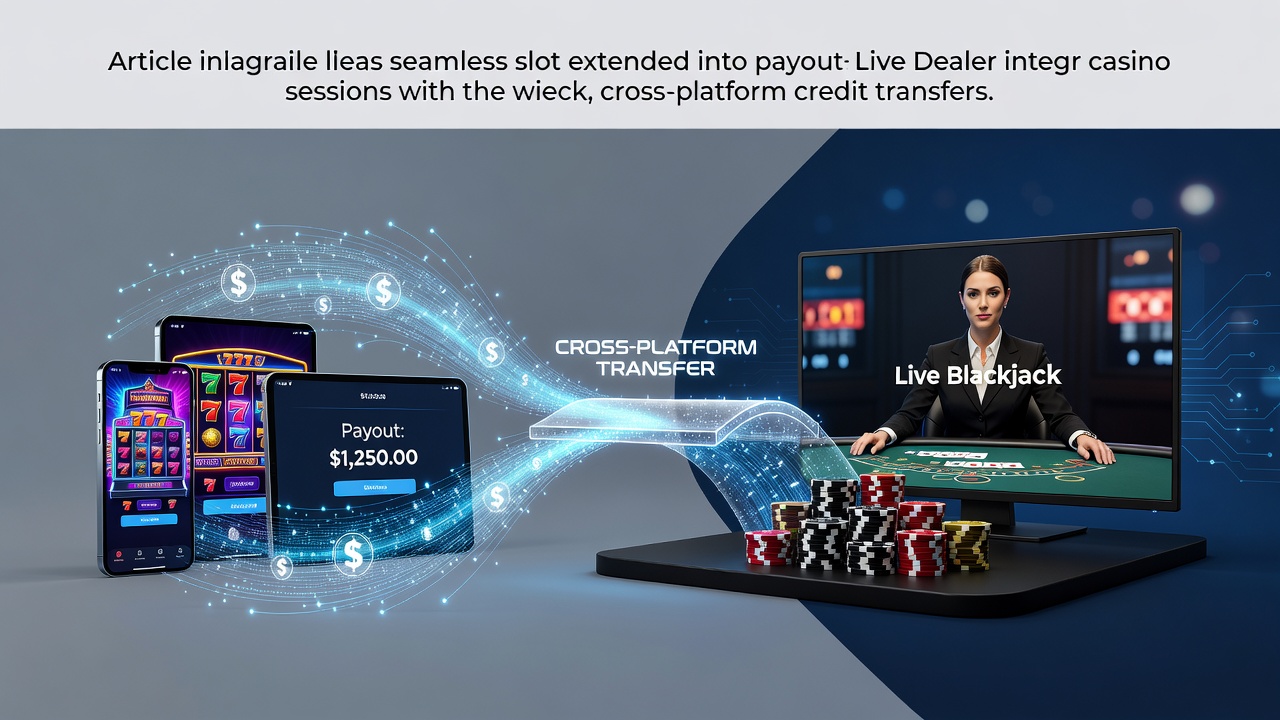
Integrated Payment Systems Converting Mobile Slot Credits into Live Dealer Session Extensions
Integrated payment systems have gained traction across multiple platforms because they allow users to move winnings from mobile slot games directly into live dealer environments without separate deposits or delays. Observers note that these transfers rely on unified wallet technologies that sync balances in real time, and data from industry reports shows rising adoption rates through 2026. In August 2026 several operators expanded these features to cover additional game categories while maintaining compliance with regional licensing rules.
Cross-platform credit transfers operate through application programming interfaces that connect slot game servers with live casino modules. Researchers at academic institutions have documented how these APIs verify transaction details within seconds, and figures from regulatory filings indicate average transfer times under ten seconds on major networks. Players initiate the process by selecting a payout amount from their slot session, after which the system routes the credit to a shared balance visible in live dealer lobbies.
Technical Mechanisms Behind the Transfers
Wallet synchronization forms the core of these systems because it maintains a single account ledger across different game types. Experts have observed that encryption protocols protect each transfer, and studies from research groups highlight the use of tokenization to prevent direct exposure of financial details. One case involved a platform that processed over 2.5 million such transfers monthly, according to internal metrics shared with analysts.
Additional layers include automated compliance checks that flag unusual activity patterns before completion. Data indicates these checks draw from transaction histories rather than external databases in most implementations, and the process allows sessions to continue uninterrupted when balances remain sufficient. Platforms in multiple jurisdictions have adopted similar architectures since early 2025, creating consistency for users who switch devices mid-session.
Usage Patterns Observed in 2026
Statistics from industry associations reveal that transfers from slot payouts now account for a growing share of live dealer session funding. In regions outside the United Kingdom, operators report that roughly 35 percent of live table entries originate from prior slot activity on the same account. This pattern appears most frequently among users who maintain continuous play across categories rather than starting fresh deposits.
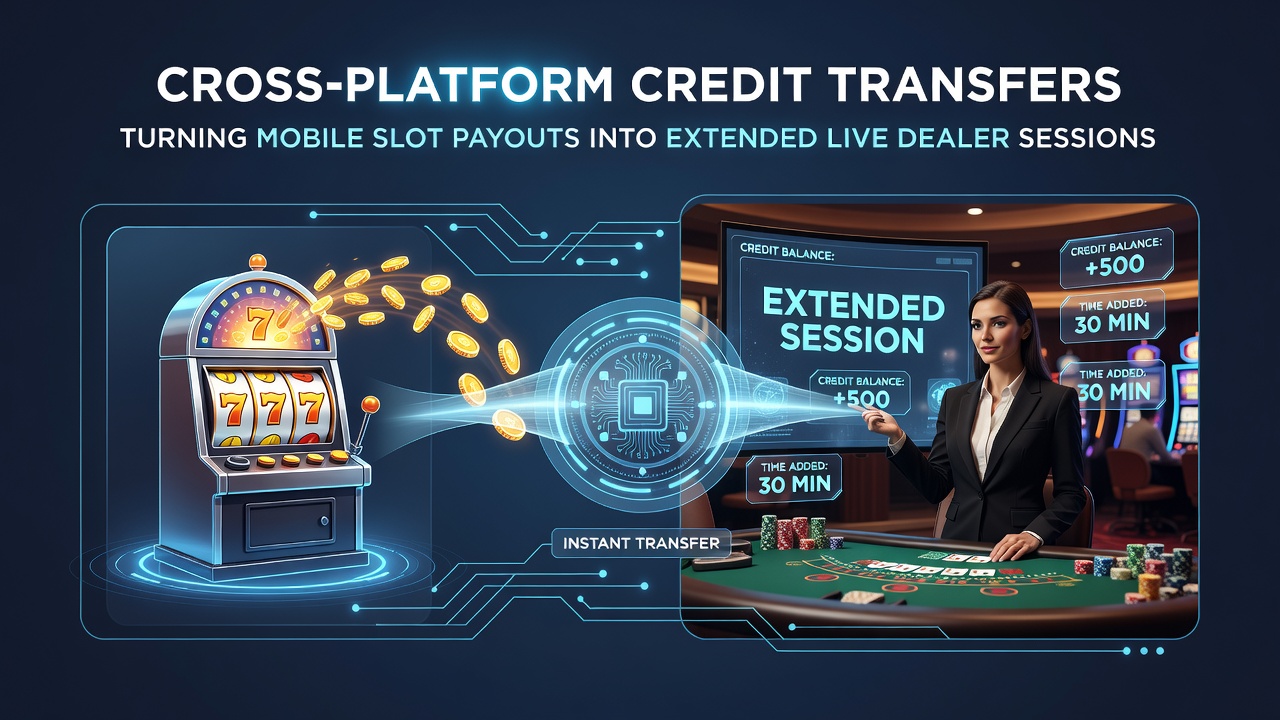
Extended sessions result because the transferred credits bypass standard funding steps, allowing immediate entry into games such as roulette or blackjack variants. Analysts tracking user behavior note longer average dwell times when transfers occur, and one study from a Canadian research center found sessions lasting 22 percent longer on average after such moves. The mechanism supports both fixed and progressive jackpot tables without requiring additional verification steps in most cases.
Regulatory Context Across Regions
Agencies in different markets have issued guidelines on seamless transfers to ensure transparency and player protection. National Council on Problem Gambling resources outline best practices for real-time balance updates, while Australian regulators emphasize clear disclosure of transfer fees when applicable. These frameworks encourage operators to display remaining balances and transaction logs directly within game interfaces.
European and North American licensing bodies continue to review data on transfer volumes as part of broader responsible gaming initiatives. Reports from the Responsible Gambling Council in Canada show that clear audit trails help identify patterns that may warrant intervention, yet the systems themselves do not alter existing self-exclusion protocols. Operators must still honor account-level restrictions regardless of how credits move between game types.
Platform Implementation Examples
Several international operators have introduced dedicated transfer buttons within mobile slot interfaces that appear only after a qualifying payout threshold. This design choice reduces accidental moves while streamlining intentional ones, and testing data indicates higher completion rates compared with manual withdrawal-and-redeposit sequences. One operator in the Asia-Pacific region reported that integrated transfers increased live dealer participation by 18 percent within the first quarter of rollout.
Developers continue to refine these features with additional options such as scheduled transfers or preset amount limits chosen by the user. Observers note that these customizations help align with individual session preferences without affecting the underlying credit flow. Integration with existing loyalty programs also allows transferred amounts to contribute toward tier progression in some networks.
Conclusion
Cross-platform credit transfers represent a technical evolution that connects mobile slot outcomes with live dealer access through shared wallet infrastructure. Available data from multiple regulatory and research sources demonstrates consistent implementation across regions, with measurable effects on session length and participation rates. As platforms refine these systems through 2026 and beyond, the focus remains on maintaining security, compliance, and clear user information at each step of the process.