Regulatory Divergence Reshapes Prize Pool Movements Across Mobile Gaming Platforms
Written by Tina Müller · Aug 18, 2026
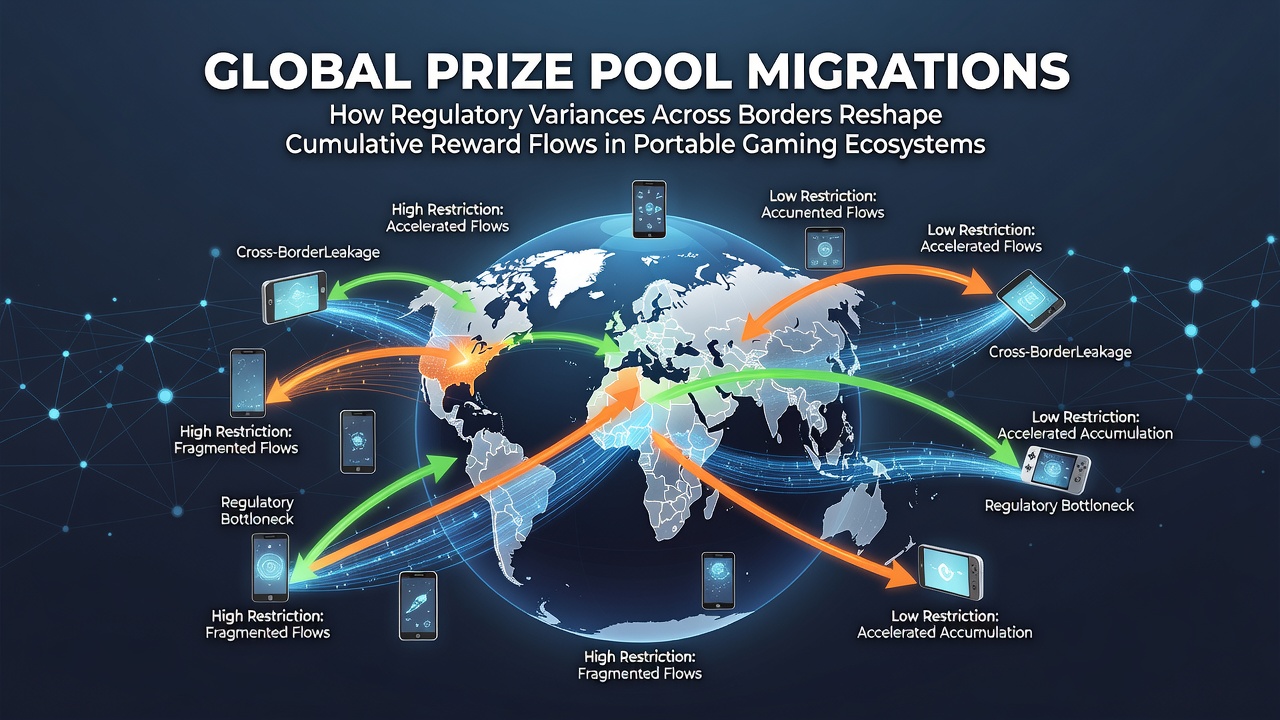
Regulatory Divergence Reshapes Prize Pool Movements Across Mobile Gaming Platforms
Data from mid-2026 shows regulatory differences between jurisdictions continue to redirect cumulative reward flows in portable gaming ecosystems, as operators adjust server locations and player access rules to comply with local laws while maintaining jackpot structures.
Operators in August 2026 face varying tax structures and licensing requirements that influence where progressive pools accumulate and distribute, particularly in mobile environments where players access games across borders through VPNs or regional apps.
European Variations Drive Initial Shifts
Countries within the European Union apply distinct remote gaming duties and player protection measures, which prompt companies to reroute prize pools toward jurisdictions with lower operational costs; for instance, Malta's established licensing framework attracts certain operators, whereas stricter rules in other member states encourage relocation of server infrastructure and reward calculations.
Research from the European Gaming and Betting Association indicates these movements affect how shared jackpots build across multiple mobile titles, since pool contributions from players in high-regulation areas get redirected to compliant platforms.
North American and Asian Regulatory Contrasts
In North America individual state laws in the US create fragmented environments, with some regions permitting larger progressive contributions while others impose caps that limit pool growth; this leads developers to segment mobile ecosystems so that reward flows favor states with favorable rules, and similar patterns emerge in parts of Asia where Singapore and Japan maintain distinct approval processes compared to neighboring markets.
Canadian provincial frameworks add another layer, as Ontario's regulated market permits certain cross-border prize integrations that differ from rules in British Columbia, resulting in observable migrations of cumulative rewards toward more permissive zones during 2026.
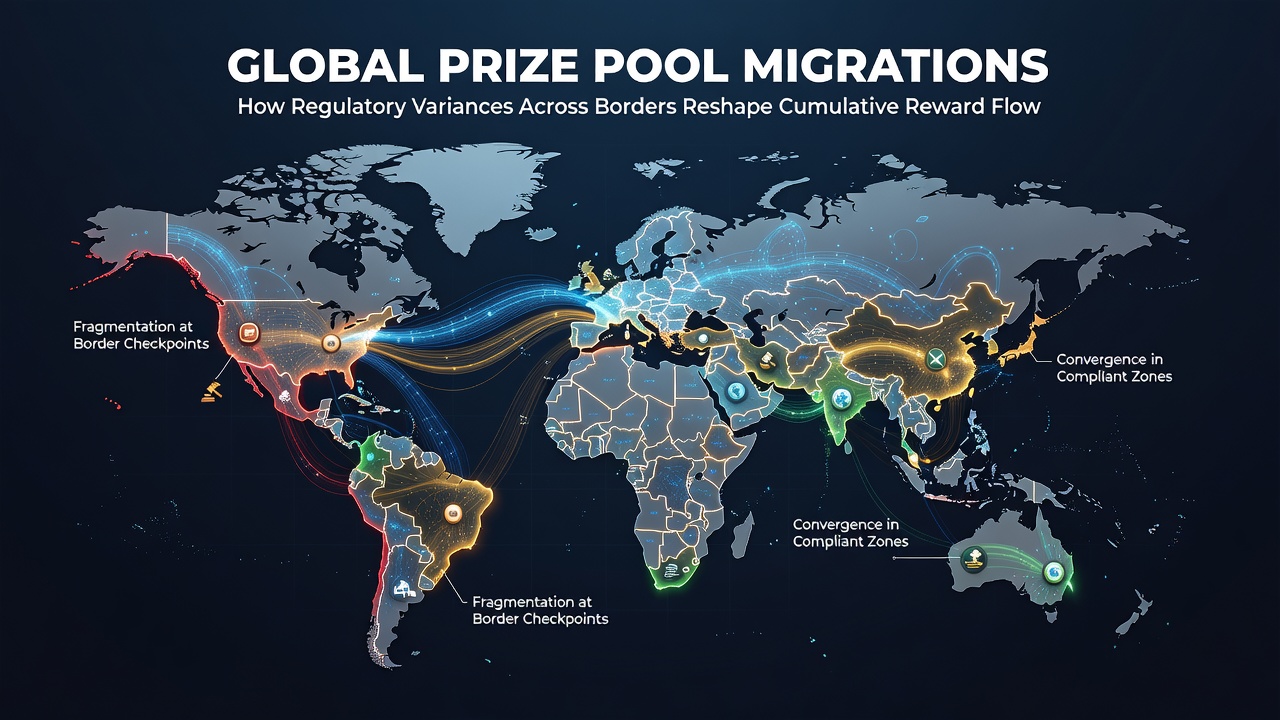
Impact on Portable Ecosystems and Jackpot Dynamics
Portable gaming platforms experience these changes directly because mobile apps must adapt geofencing and payment processing to match each jurisdiction's requirements, which alters the rate at which players contribute to and draw from shared reward pools; data shows increased activity in regions with streamlined licensing as operators consolidate progressive elements there.
Observers note that August 2026 reports highlight how these variances prompt software providers to design modular jackpot systems capable of splitting or merging pools based on real-time regulatory compliance checks, thereby sustaining overall ecosystem liquidity despite fragmented rules.
Industry reports from the Asia Pacific Gaming Council reveal parallel trends in Australia and surrounding markets, where point-of-consumption taxes influence the direction of reward flows away from higher-burden areas and toward platforms that optimize for lower costs while preserving player access.
Academic Insights and Broader Patterns
Studies conducted by university research teams in 2025 and early 2026 document measurable shifts in reward distribution volumes tied to regulatory updates, with mobile ecosystems showing faster adaptation rates than traditional desktop platforms because of their flexibility in updating location-based features.
Those patterns demonstrate that cumulative prize flows respond predictably to changes in licensing fees or stake restrictions, as operators prioritize jurisdictions that allow larger pool contributions without immediate tax penalties.
Conclusion
Global regulatory variances continue to direct prize pool movements within portable gaming ecosystems, with data from August 2026 confirming ongoing adjustments in server placements and contribution mechanisms across Europe, North America, and Asia. These developments maintain distinct regional characteristics while supporting the overall connectivity of mobile reward systems.